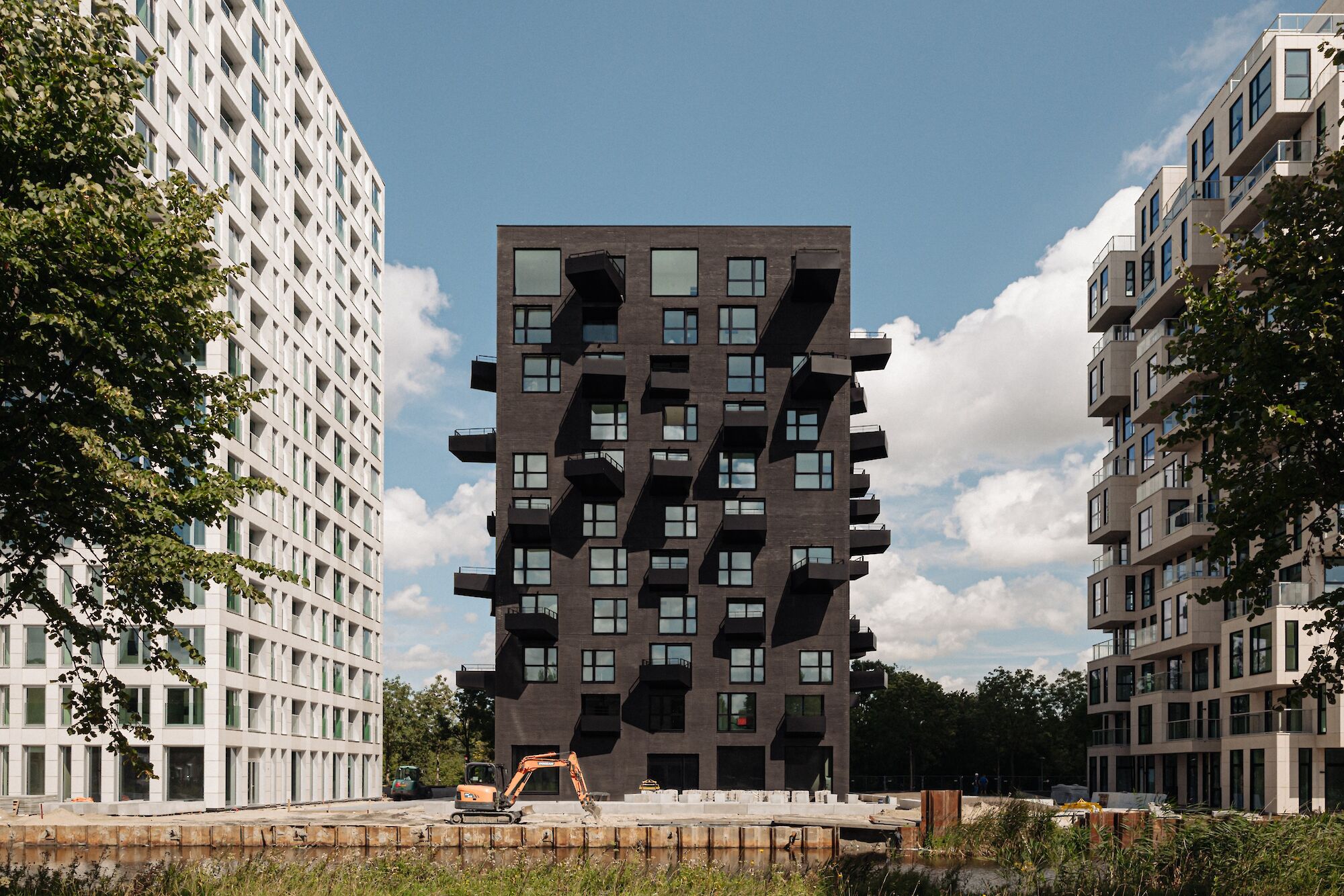
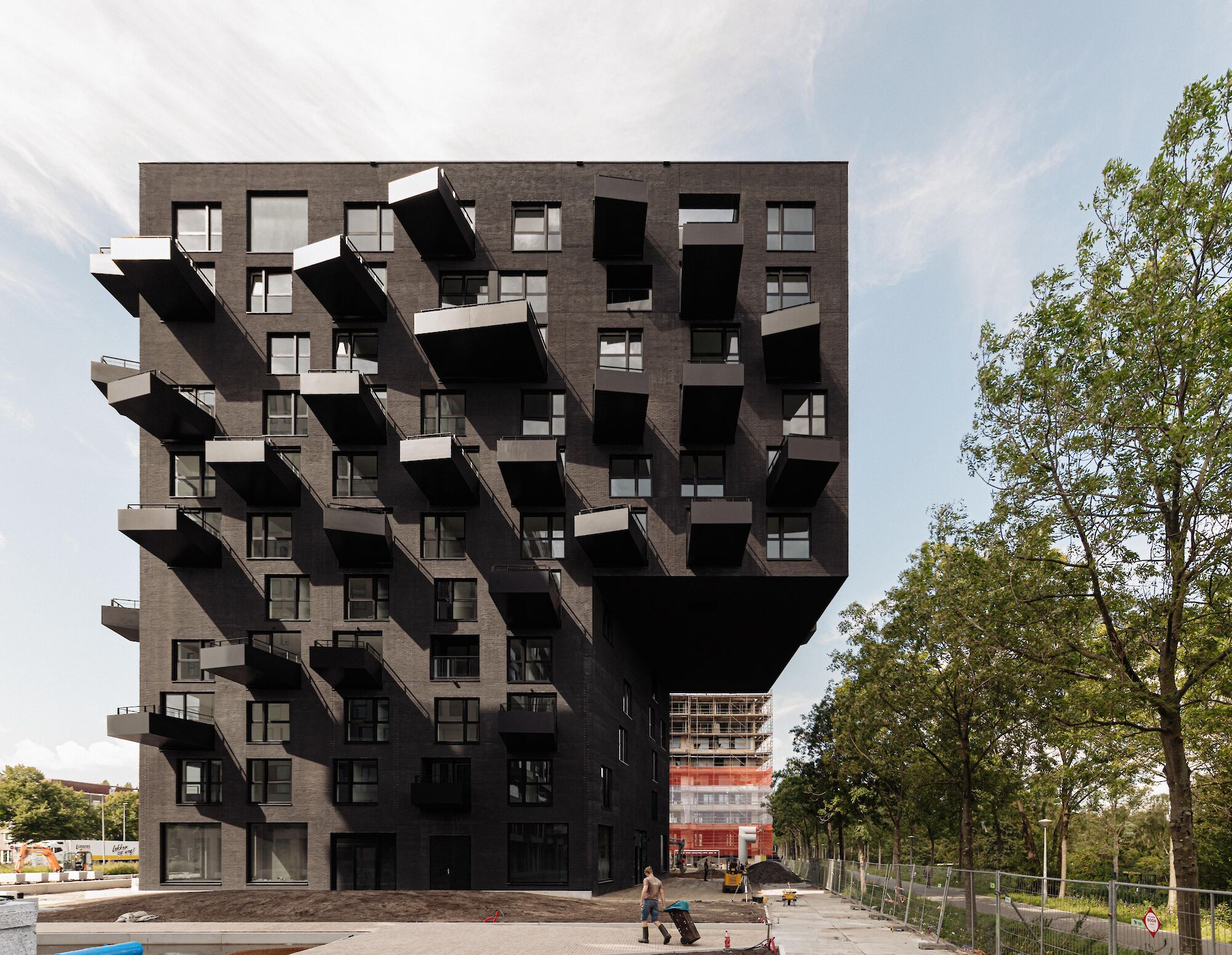
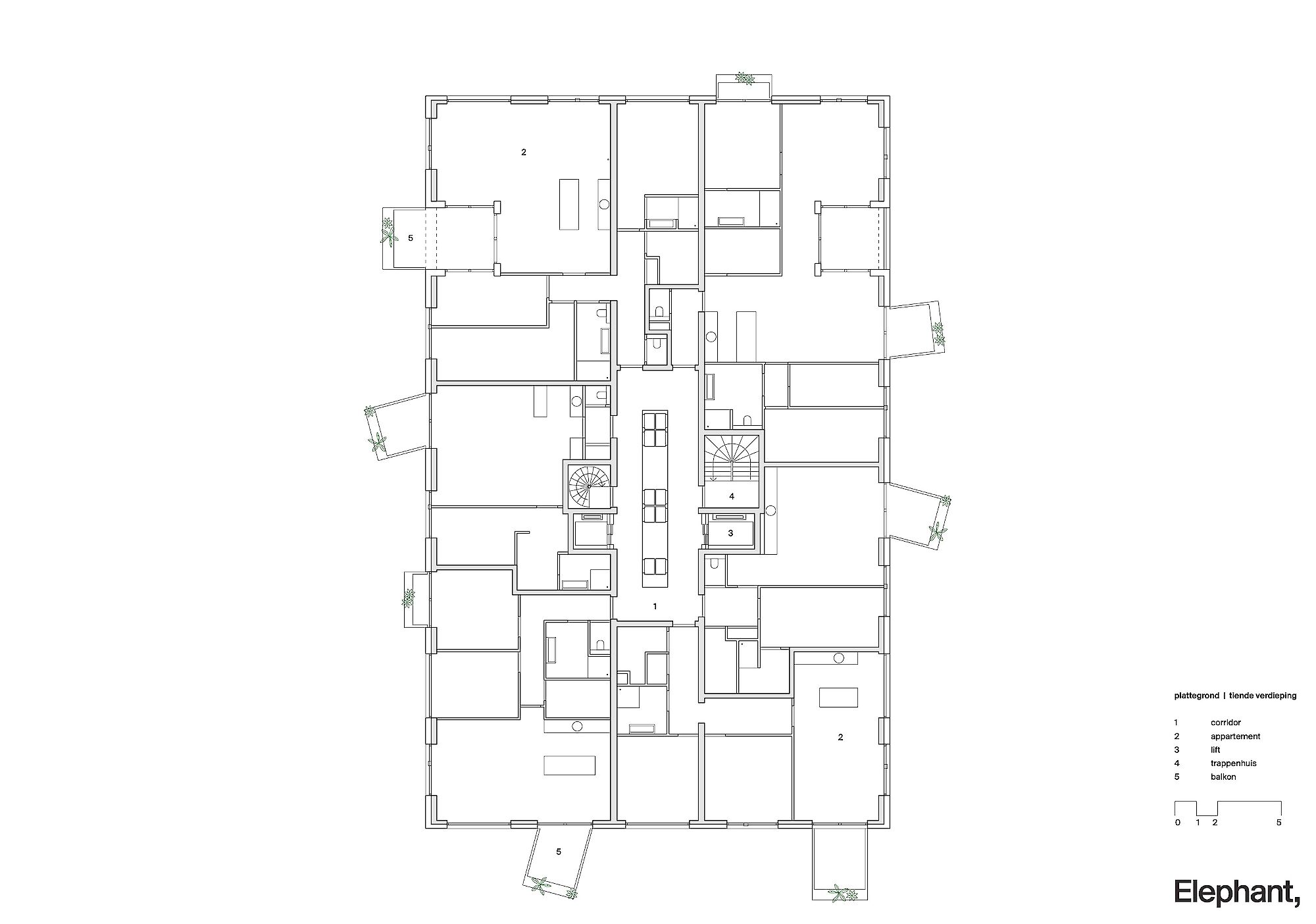
Residential housing architecture in Amsterdam continues to explore new ways of combining urban density with high-quality living environments. Pepper Housing, designed by Elephant Studio and completed in 2023, is a residential building developed as part of the Westerpark West urban redevelopment area. The project contains 82 apartments and contributes to the growing residential fabric of Amsterdam with a strong architectural identity and a flexible design strategy.
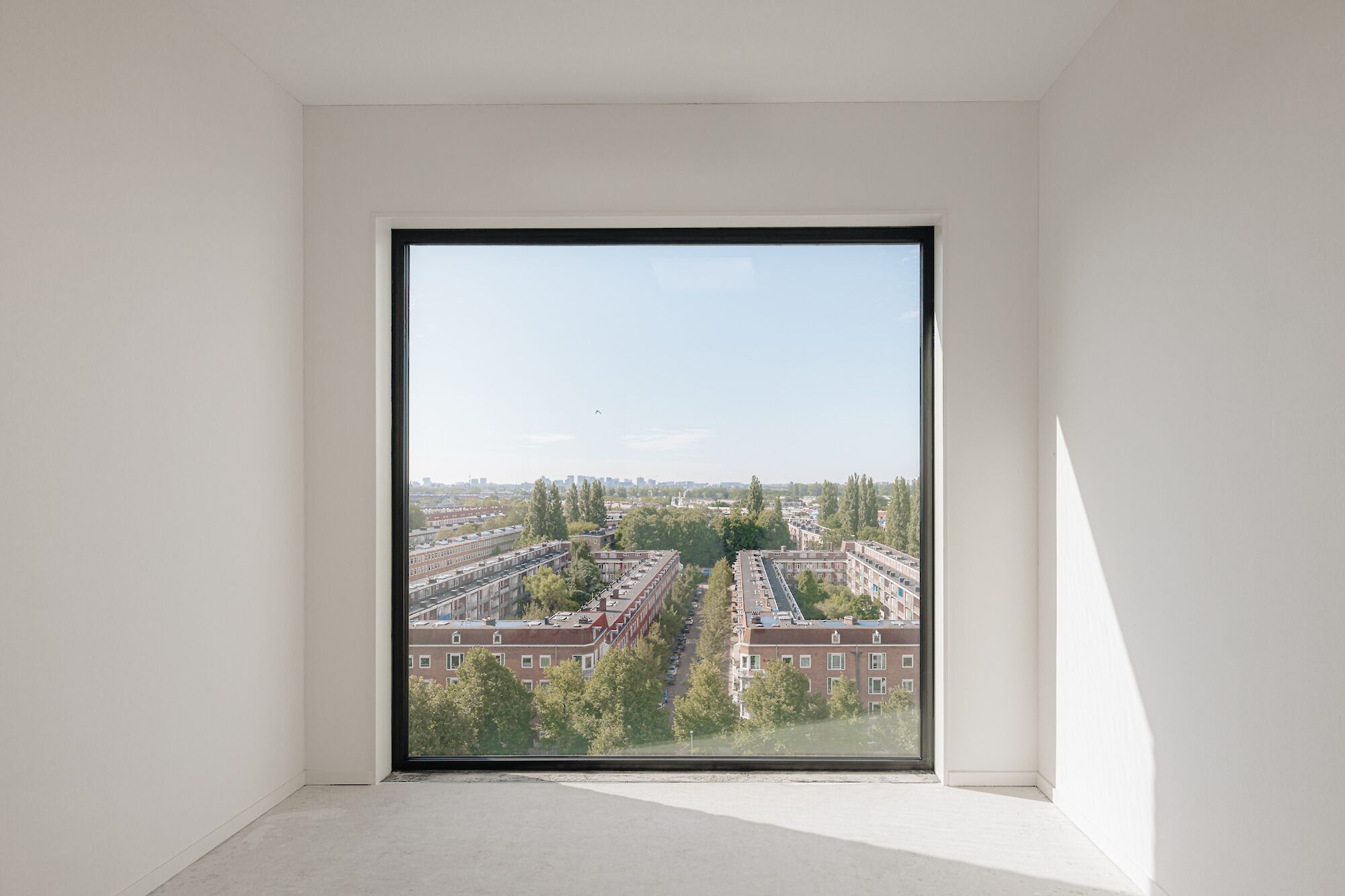
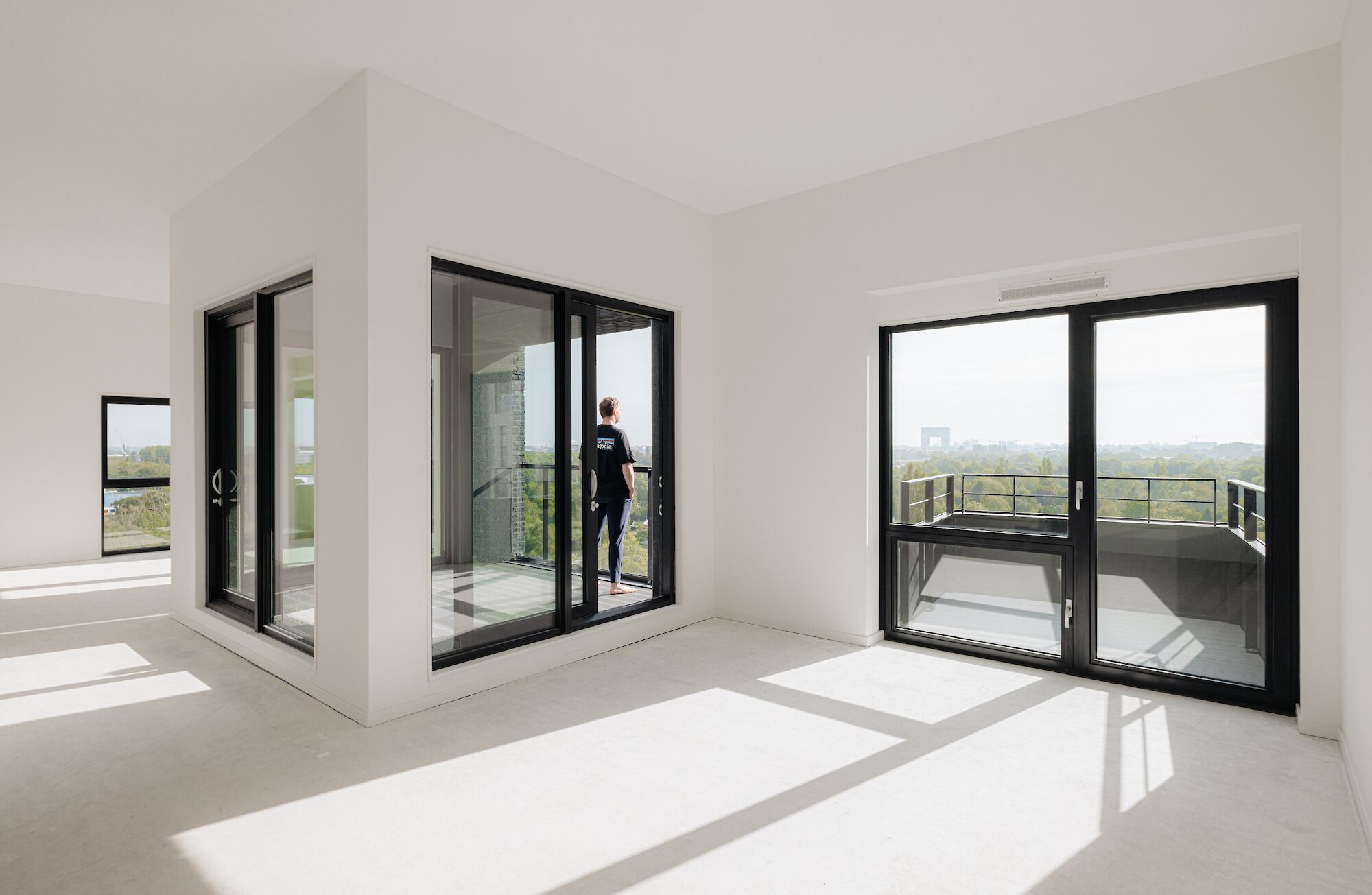
A key concept behind the project is the idea of customizable residential architecture. Instead of delivering identical apartments, the building allows residents and investors to influence elements of their homes through predefined façade options. These options include larger balconies, expanded window openings, or additional windows, all integrated into the architectural system while maintaining compliance with structural and regulatory requirements.
To manage these variations, Elephant Studio used a parametric design workflow. The architects incorporated all buyer options into a parametric model that automatically adapts the building configuration while ensuring structural stability, building physics performance, and façade coherence. This computational approach allows the project to maintain architectural consistency while accommodating multiple variations in apartment layouts and façade expressions.
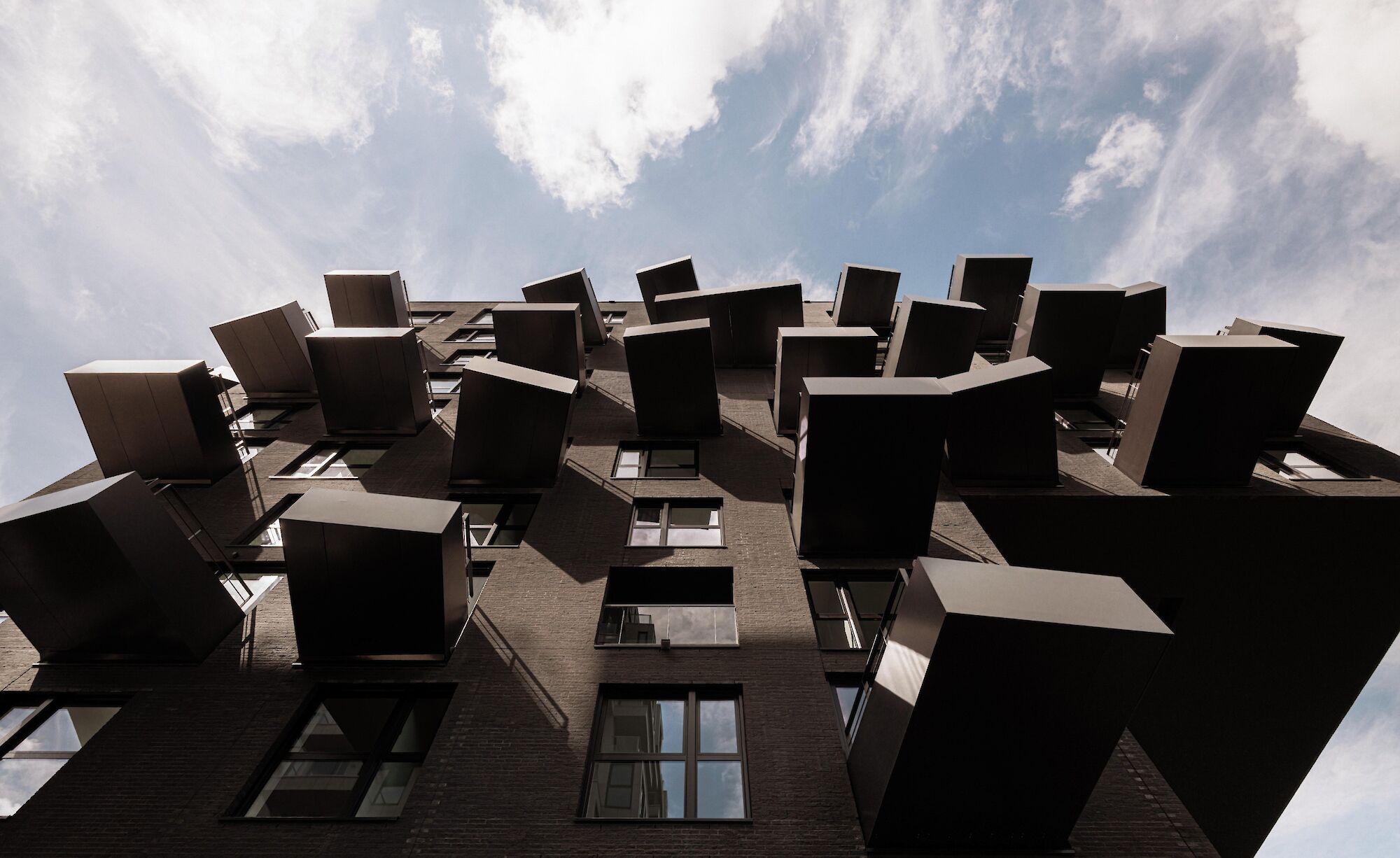
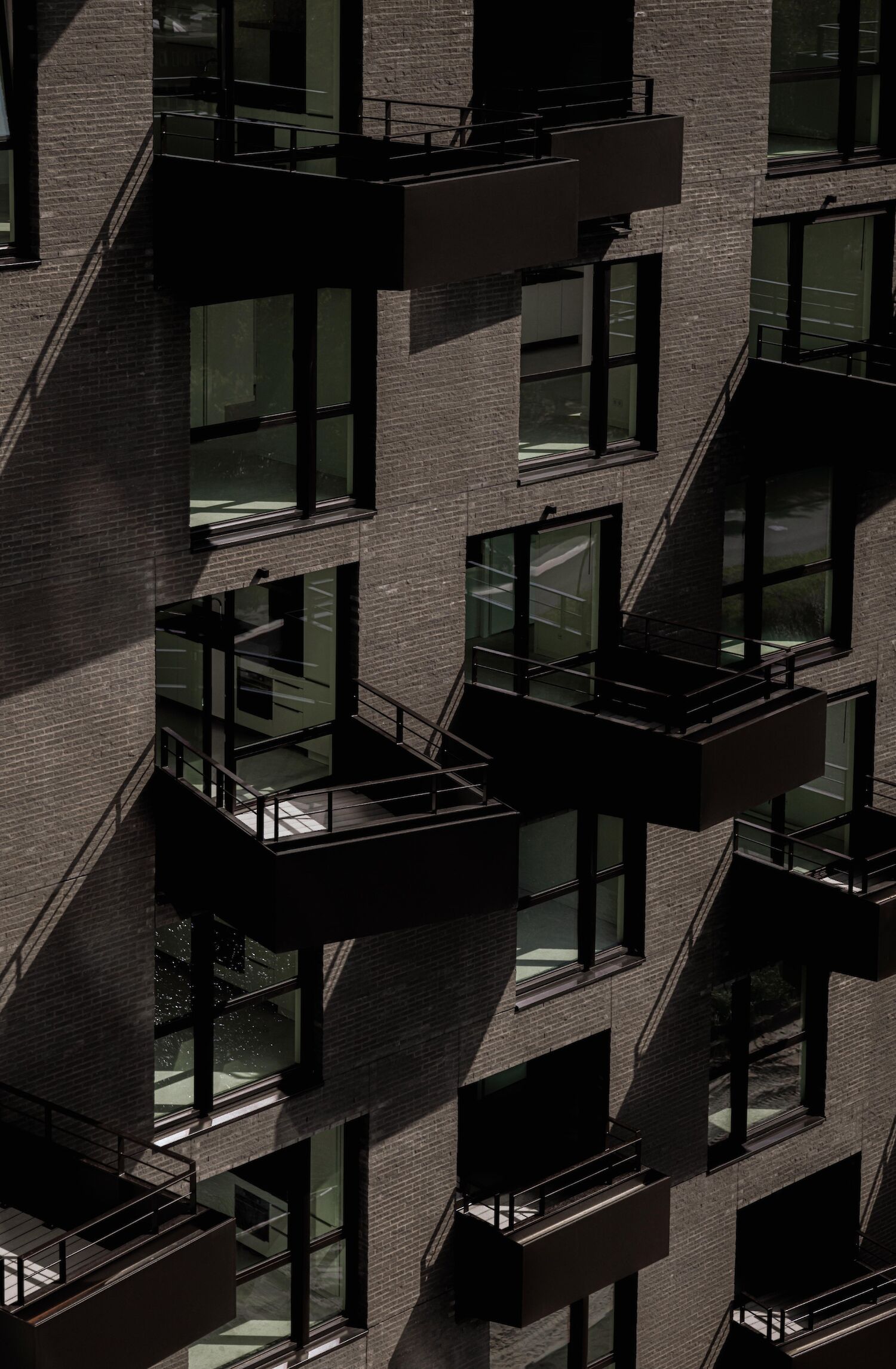
Another defining element of the design is the balcony system, which offers residents sheltered outdoor spaces while preserving open views. The balconies feature thickened balustrades that integrate planters, allowing residents to add greenery directly to their outdoor spaces. This element strengthens the connection between the building and its surrounding urban landscape while creating small pockets of vegetation throughout the façade.
Through its combination of parametric design, customizable residential options, and integrated balcony landscaping, Pepper Housing represents Elephant Studio’s broader design philosophy: architecture shaped by data-driven design, flexibility, and user participation. The project demonstrates how computational tools and architectural systems can create adaptable residential environments that respond to both market needs and urban living conditions. Flexible, parametric, user-driven residential architecture.
Collaboration
Completed