Busan Opera House
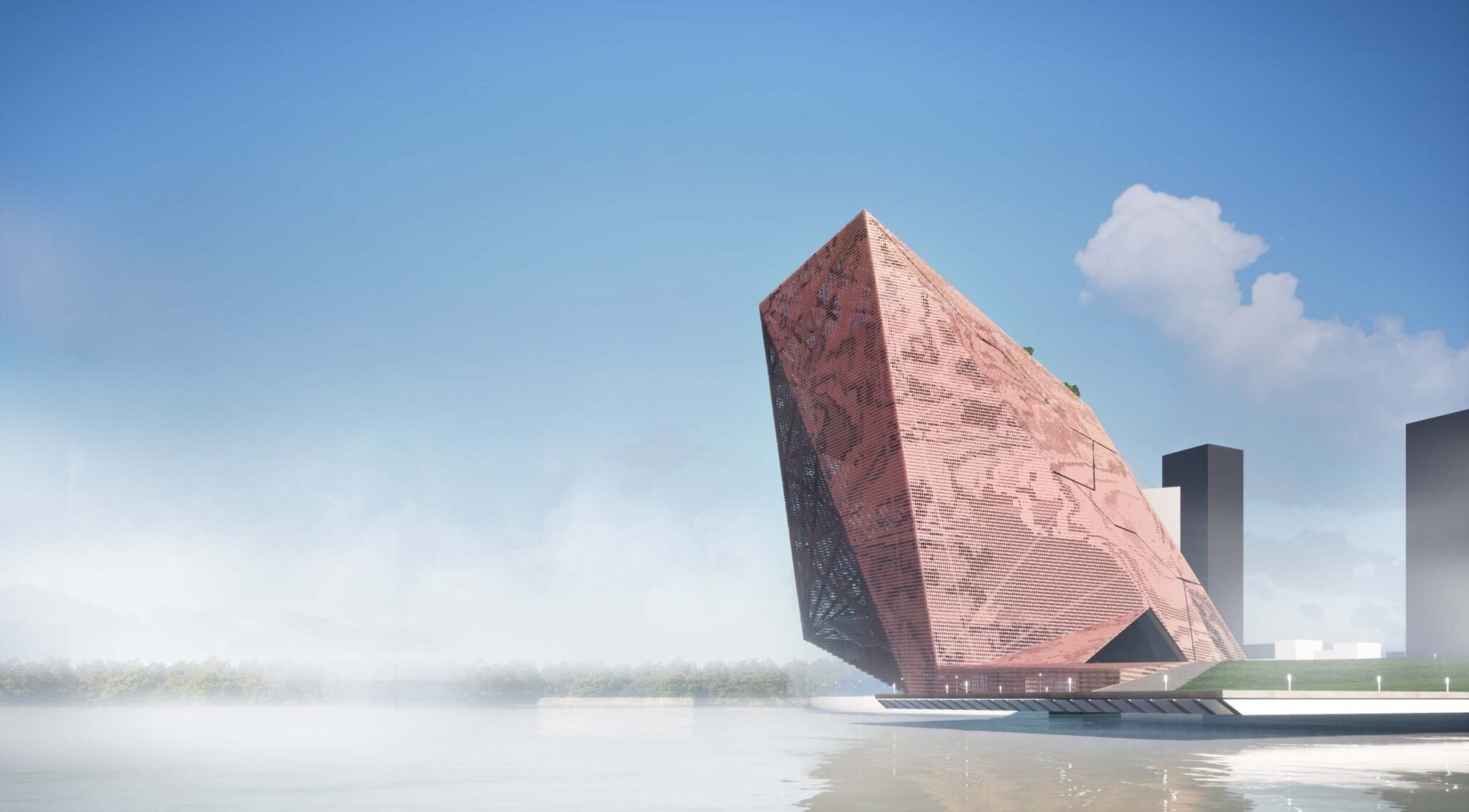
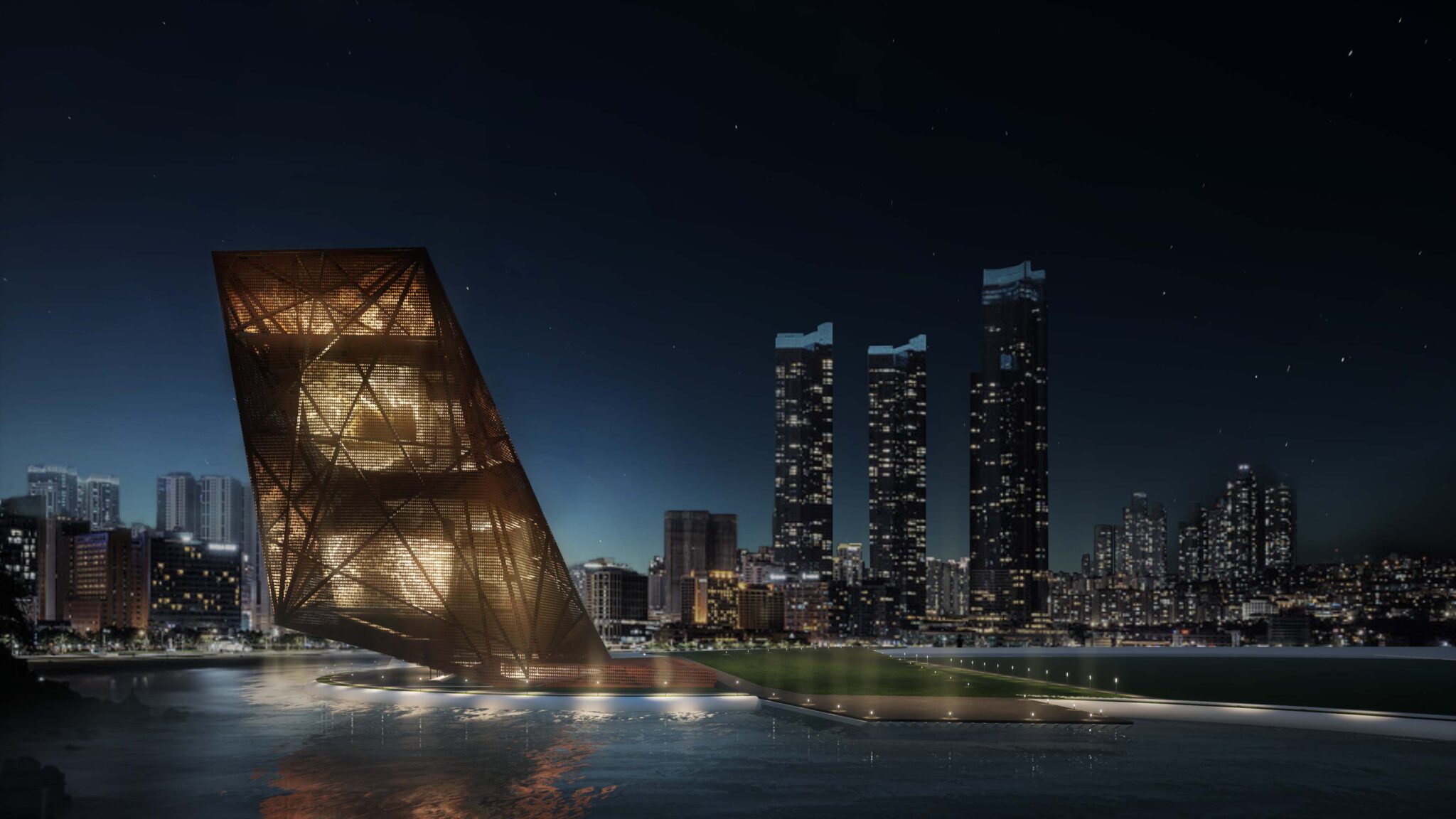
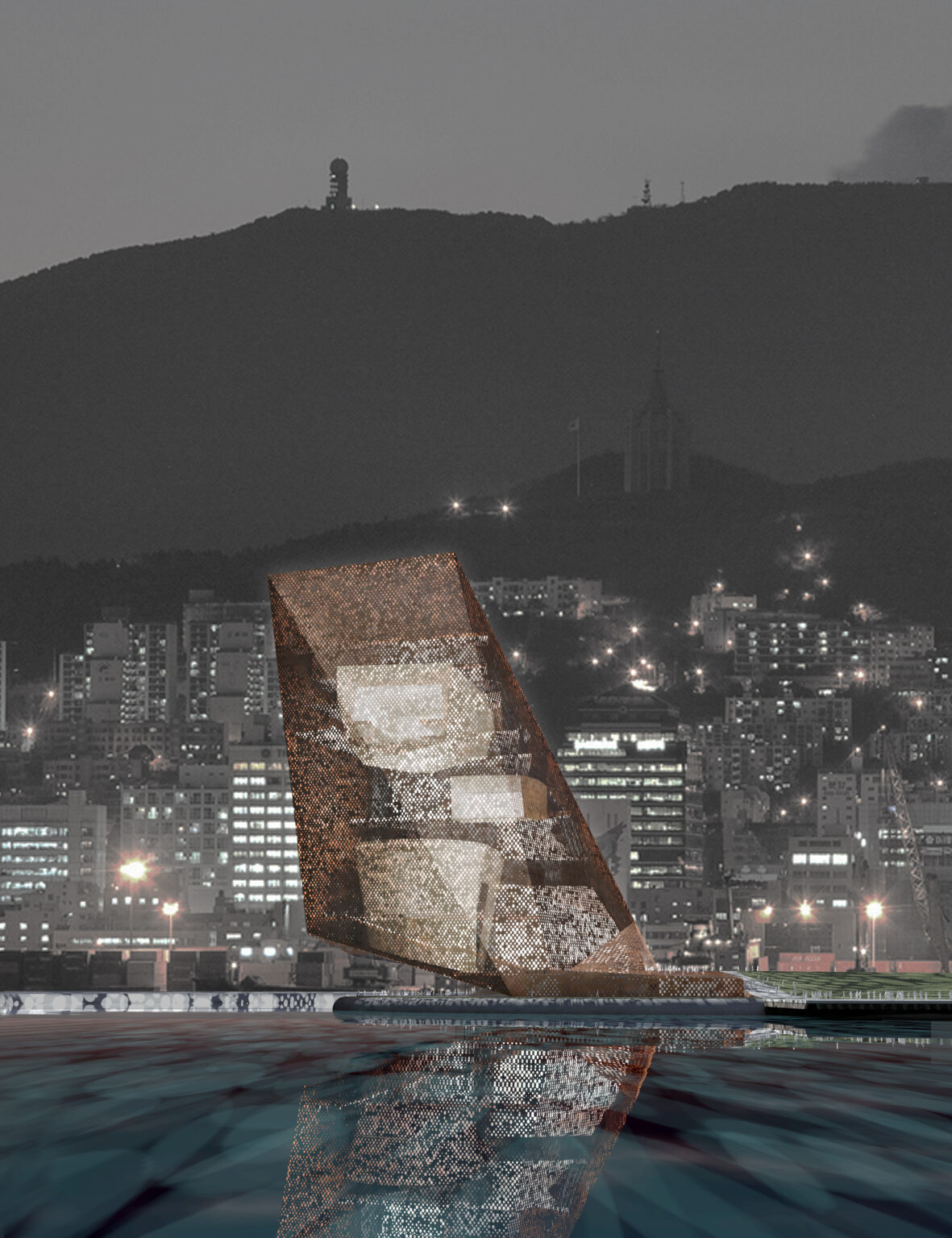
Opera house architecture is redefined in the Busan Opera House as a civic landscape rather than a closed cultural object. Located on reclaimed land along Busan’s North Port waterfront, the project transforms a former industrial harbor into a dynamic public destination where architecture, city, and sea converge. Designed by Snøhetta, the building moves beyond the traditional exclusivity of opera by creating an open, democratic environment accessible to everyone throughout the day.
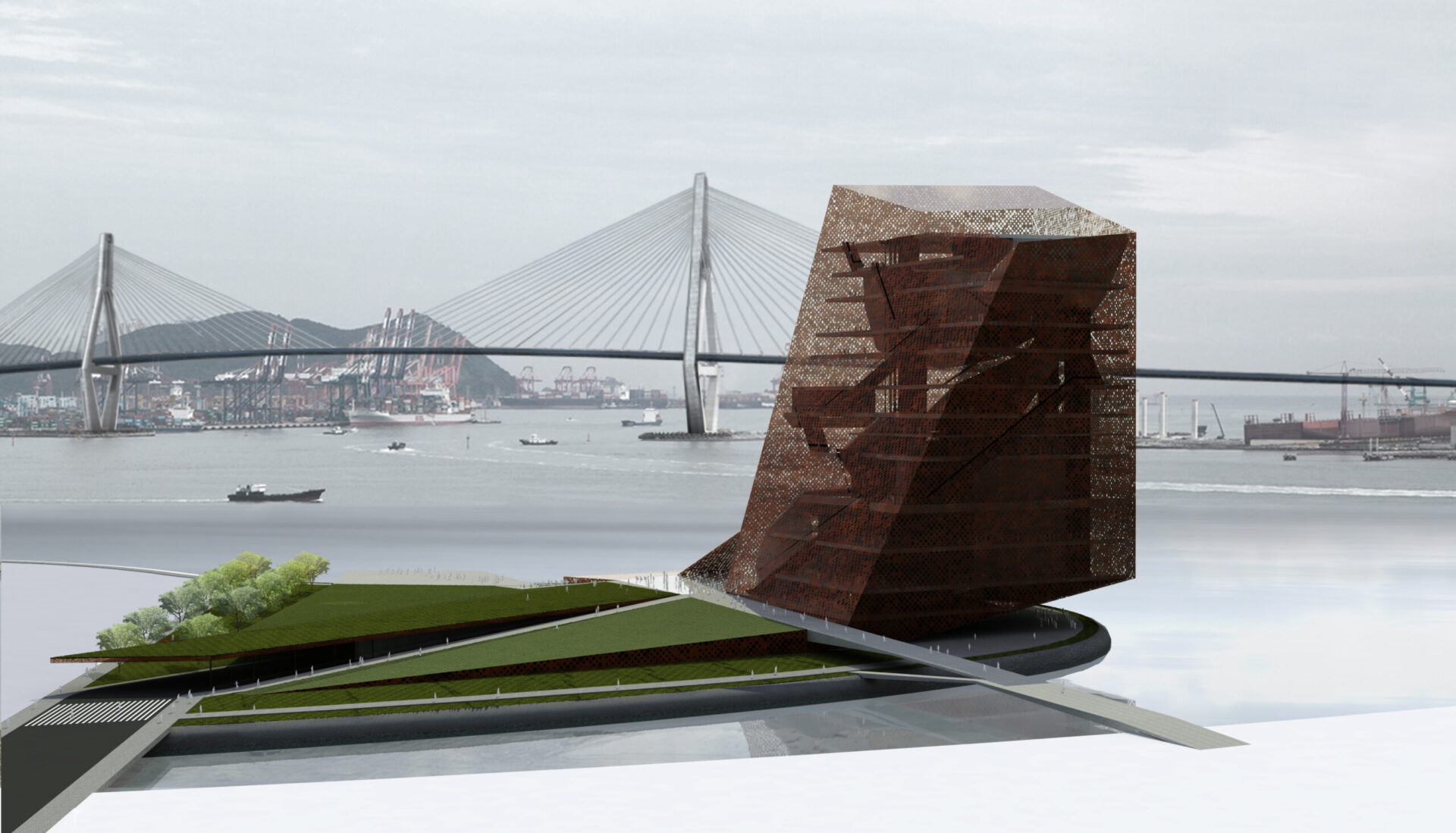
The architectural concept is driven by two continuous, opposing surfaces. A lower, gently arching plane anchors the building to the ground, forming a connection between the urban fabric and the waterfront. Above, a second surface rises toward the sky, creating a spatial tension between earth and air. This duality generates a fluid form that reflects the natural relationship between mountains, water, and city—core elements of Busan’s identity.
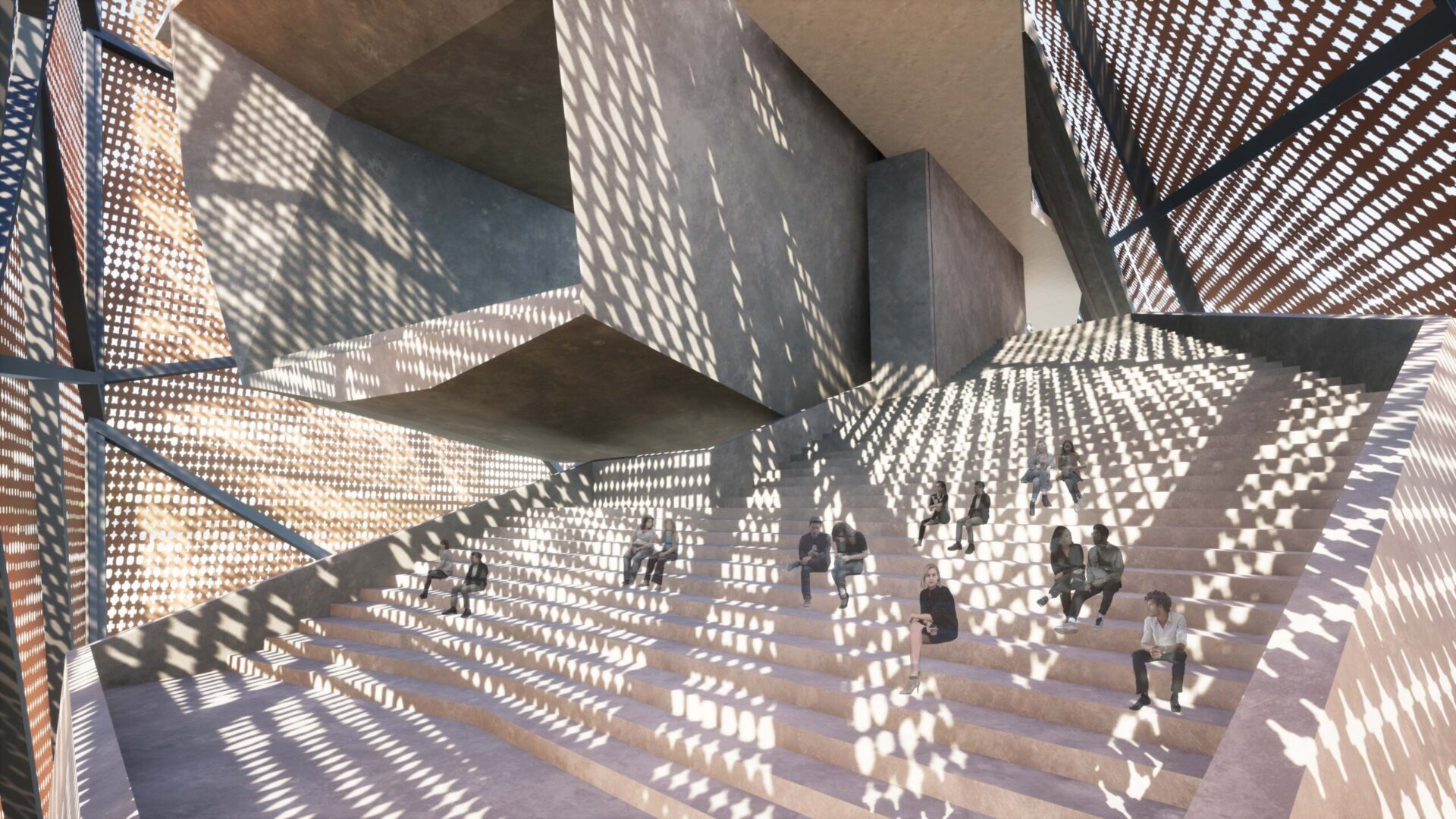
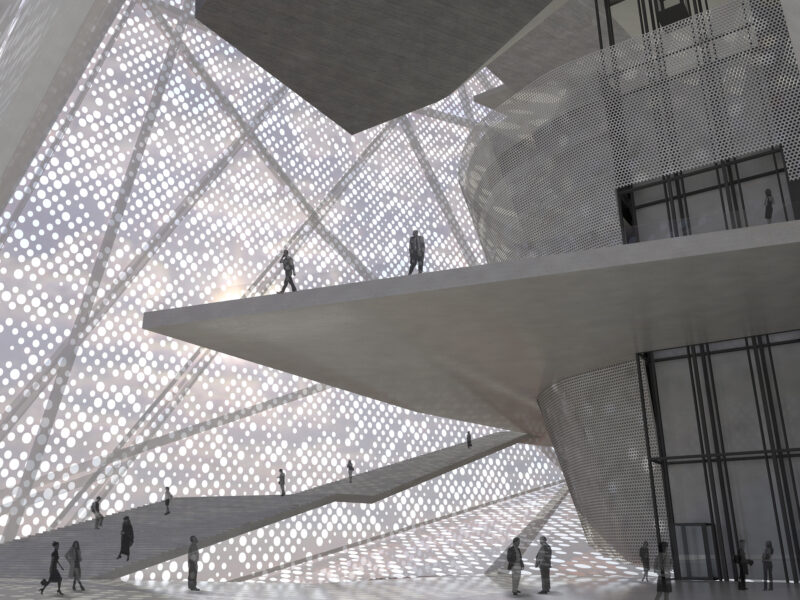
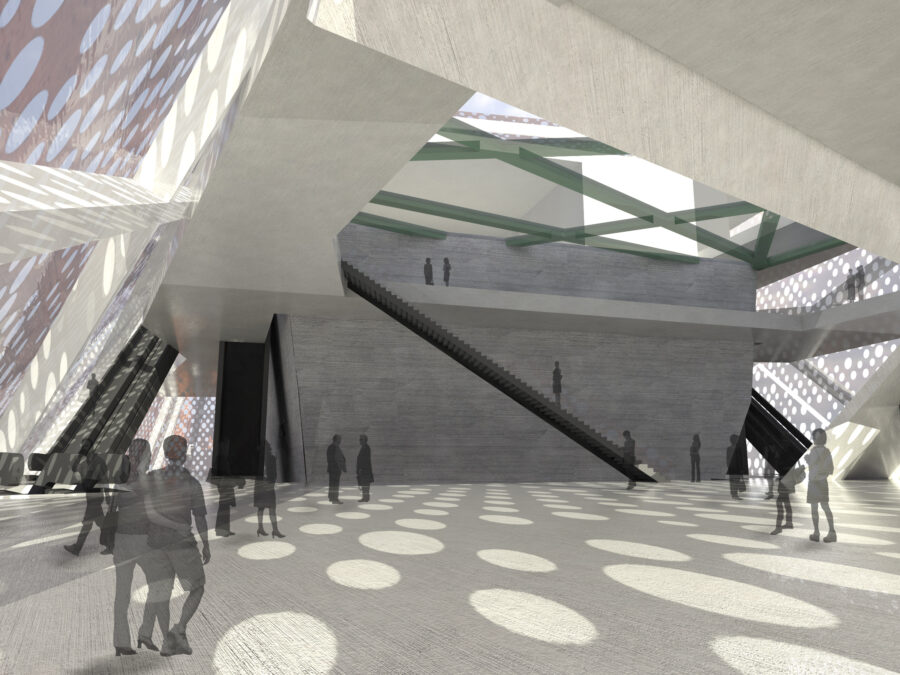
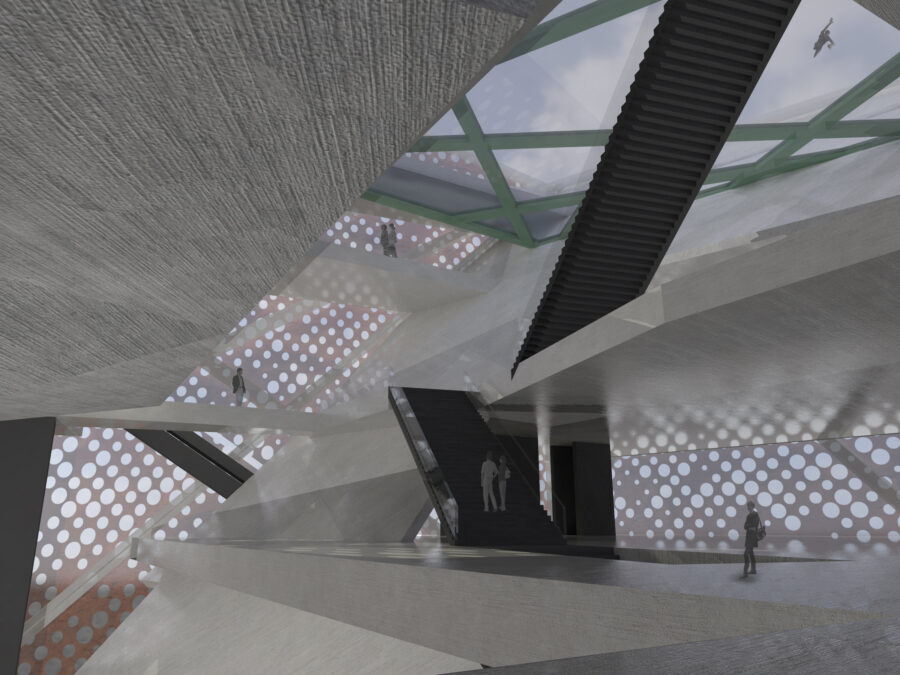
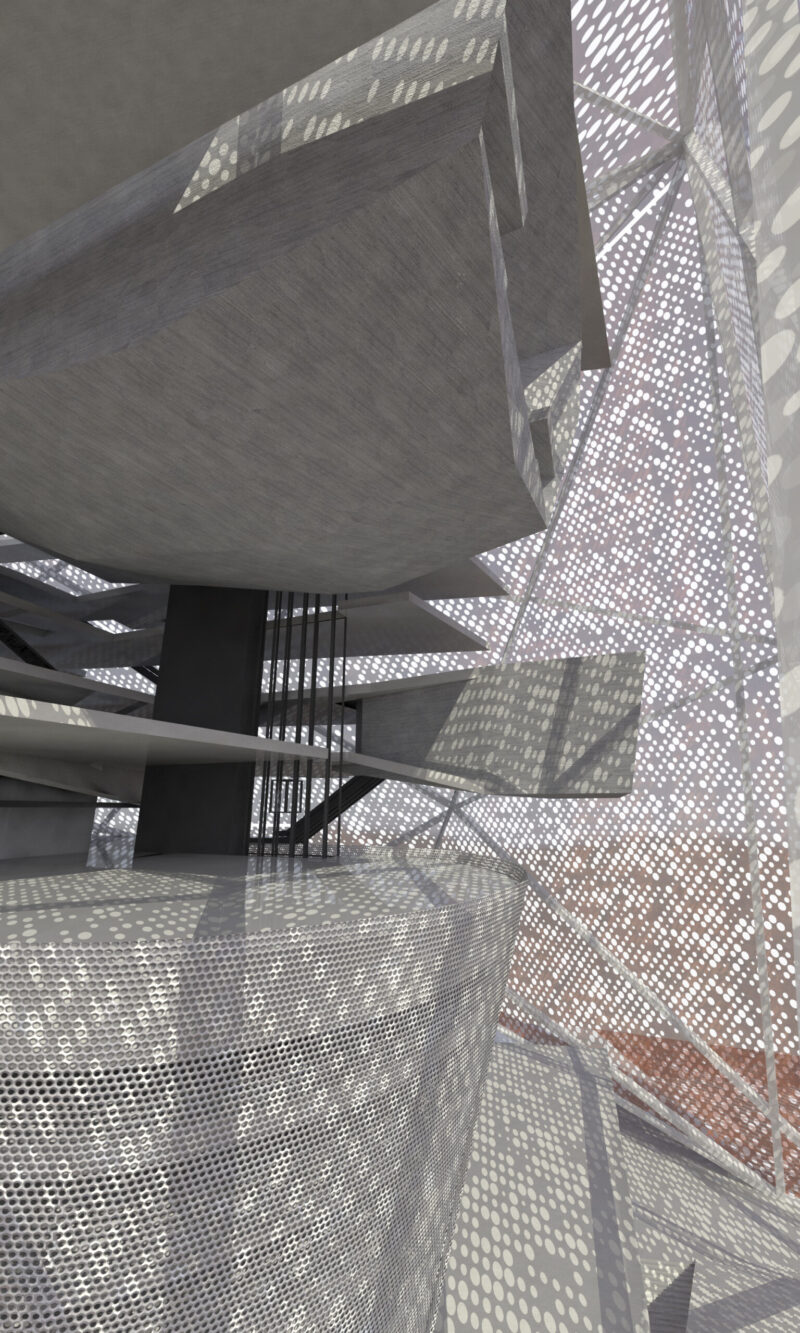
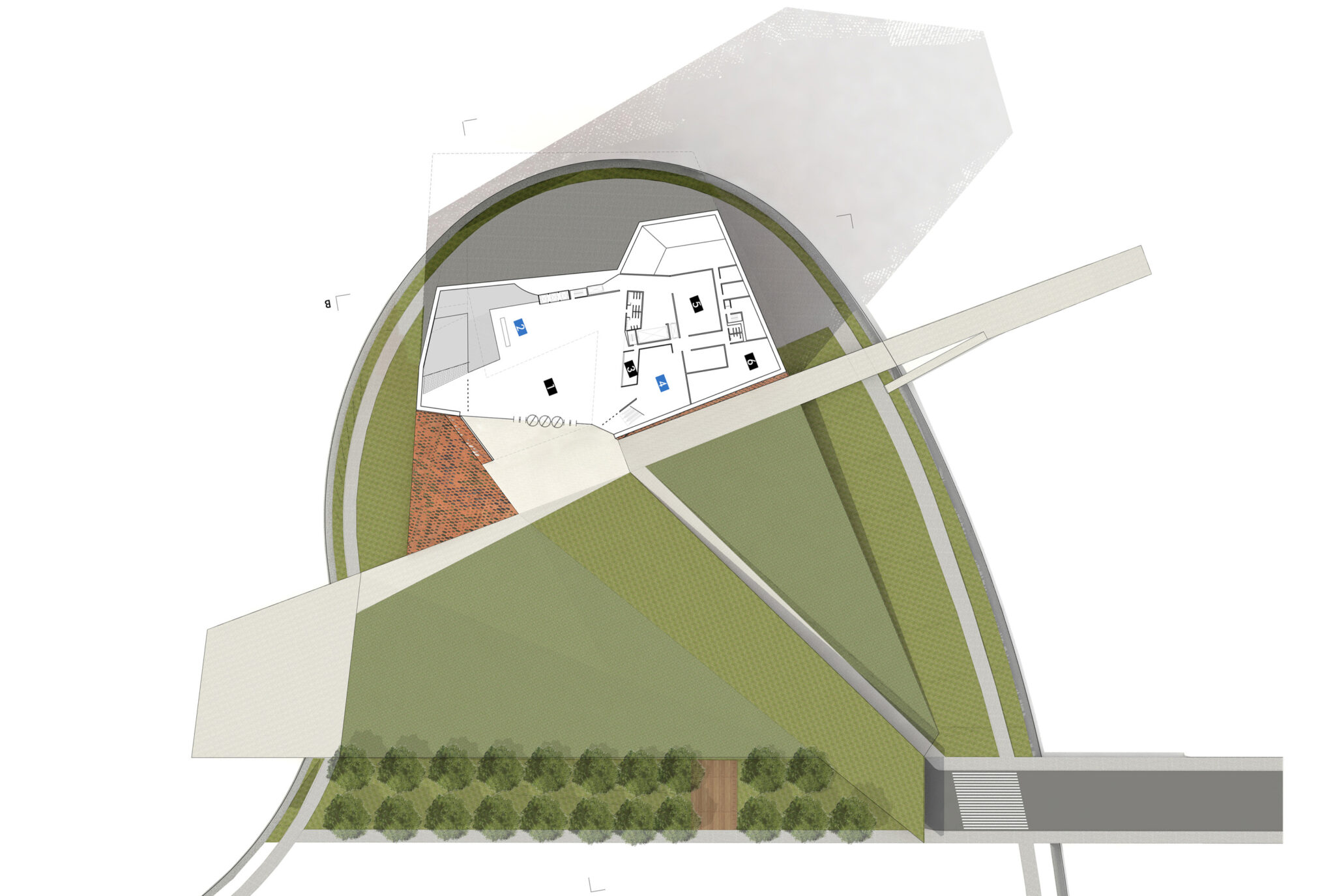
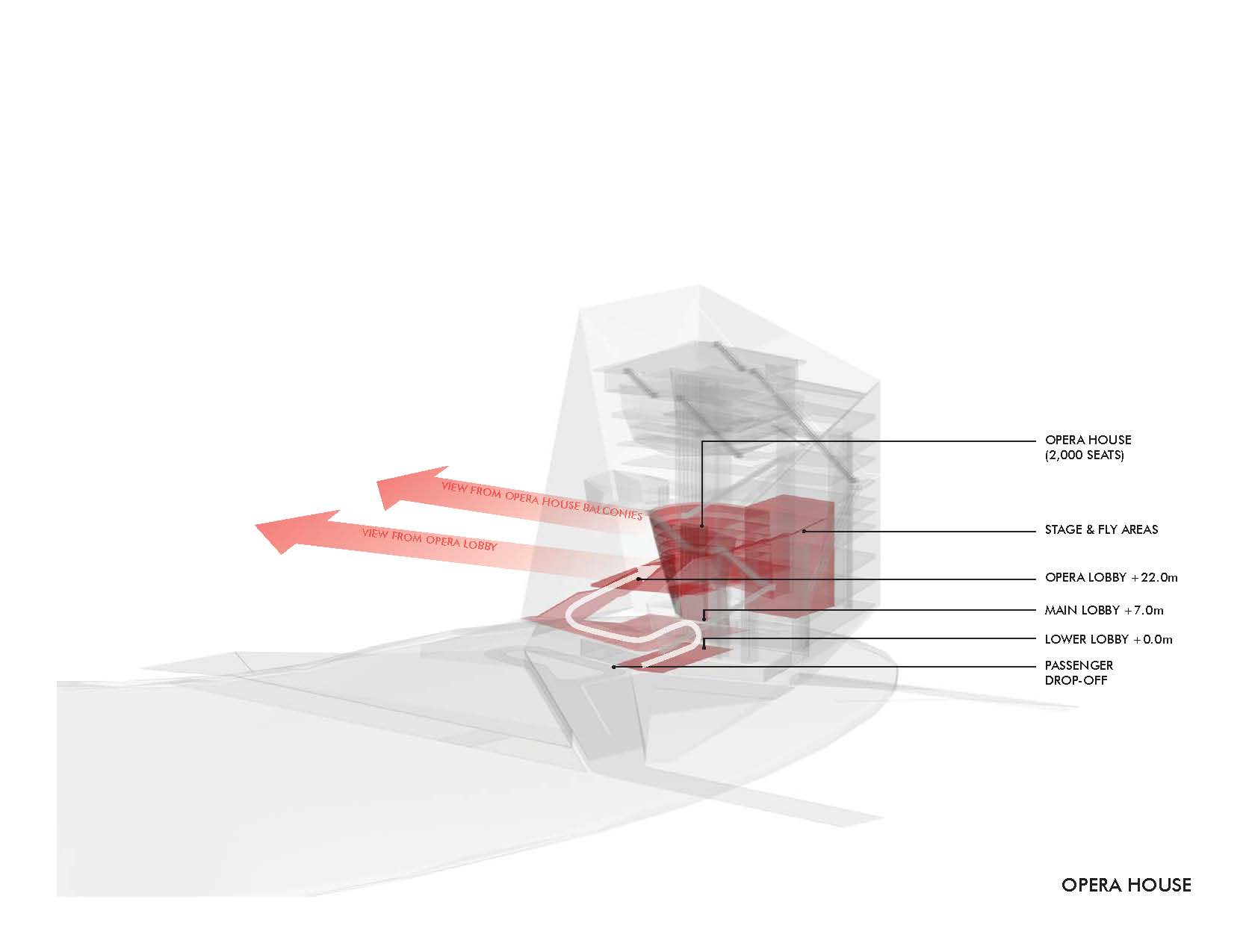
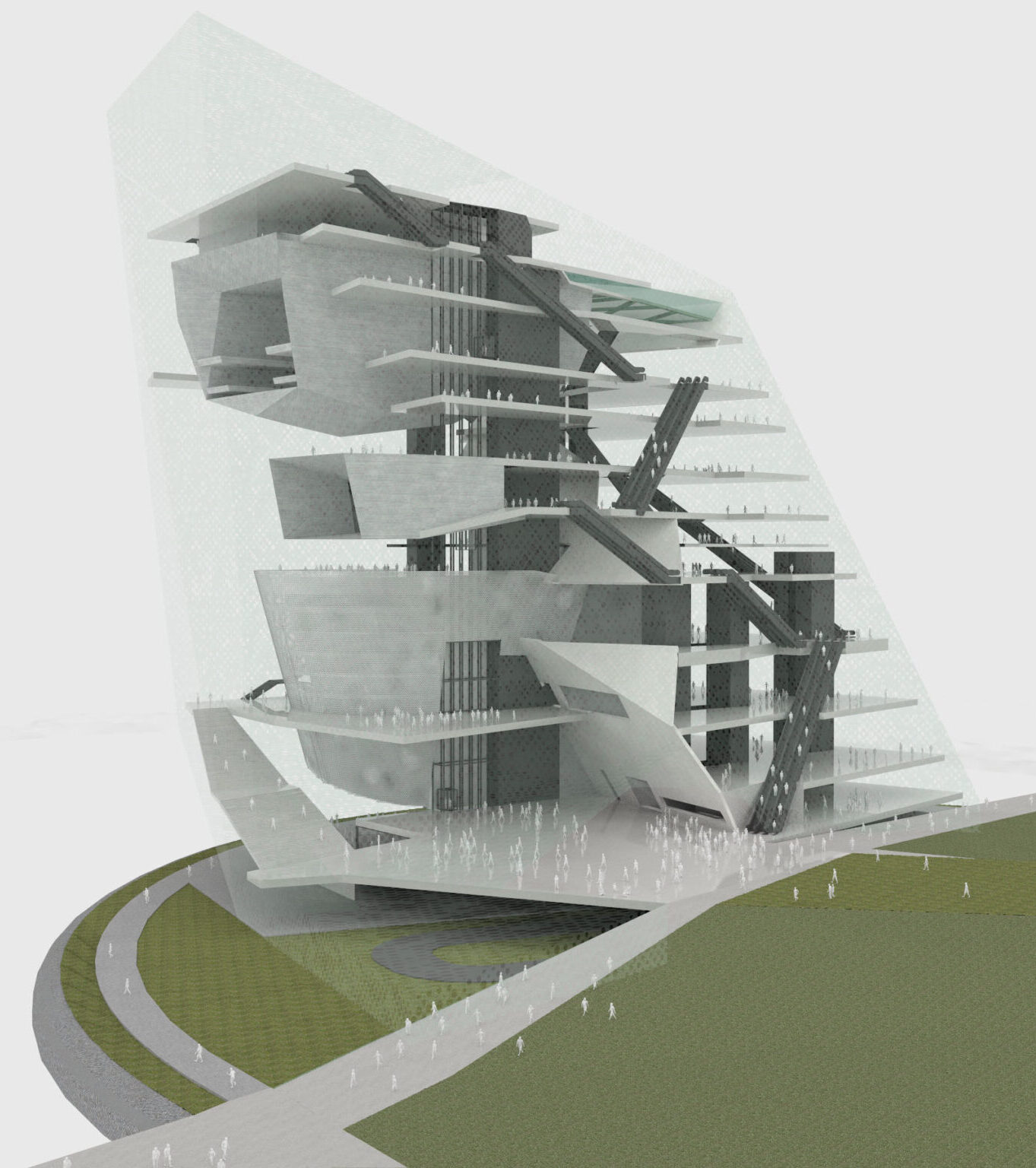
At ground level, the opera house is conceived as a porous public space. A continuous promenade wraps around the building, linking plazas, entrances, and the surrounding landscape. The main foyer extends along the edges facing the sea, blurring the boundary between interior and exterior. This openness allows the building to function as an everyday urban space, not just a performance venue.
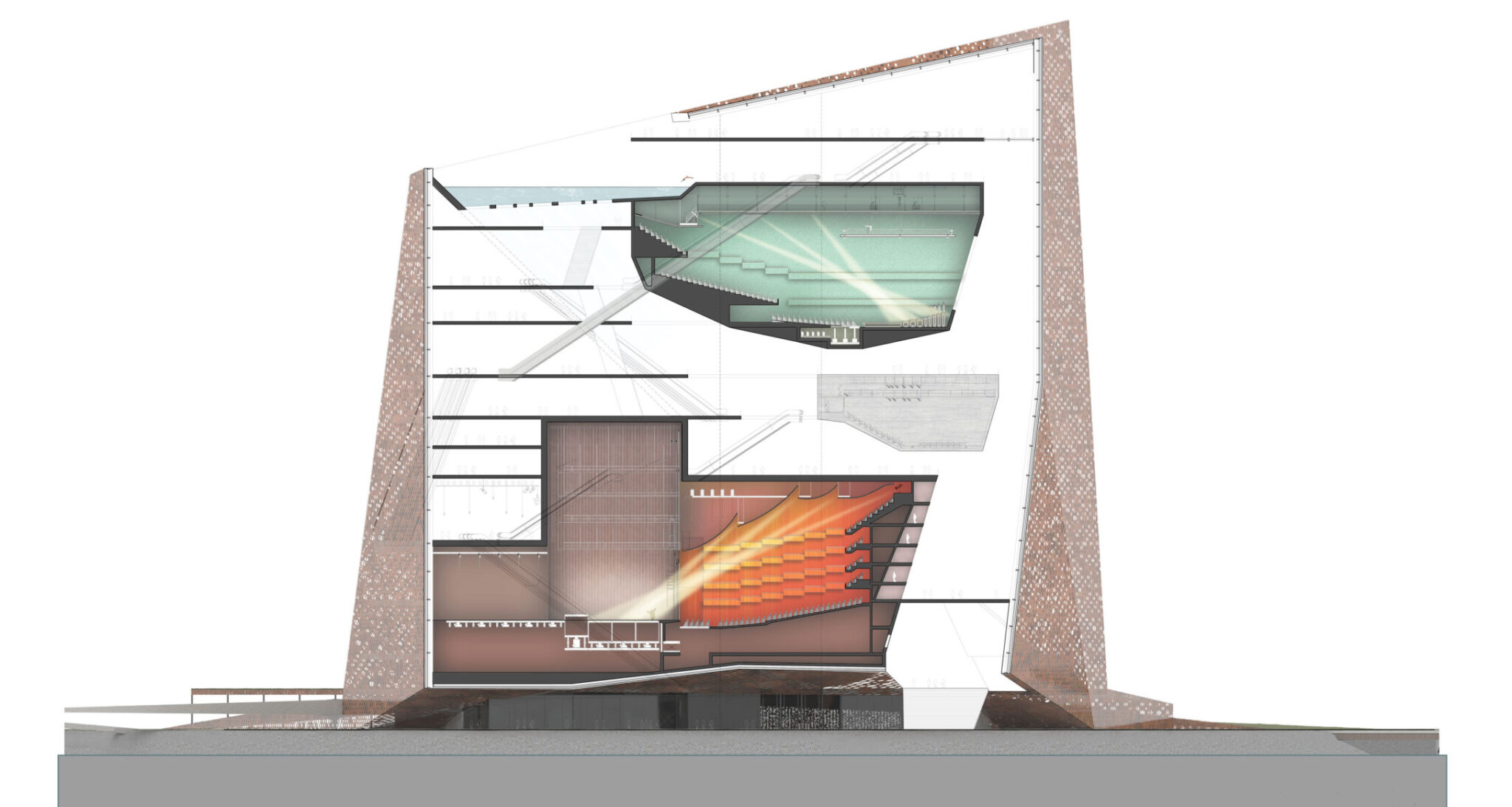
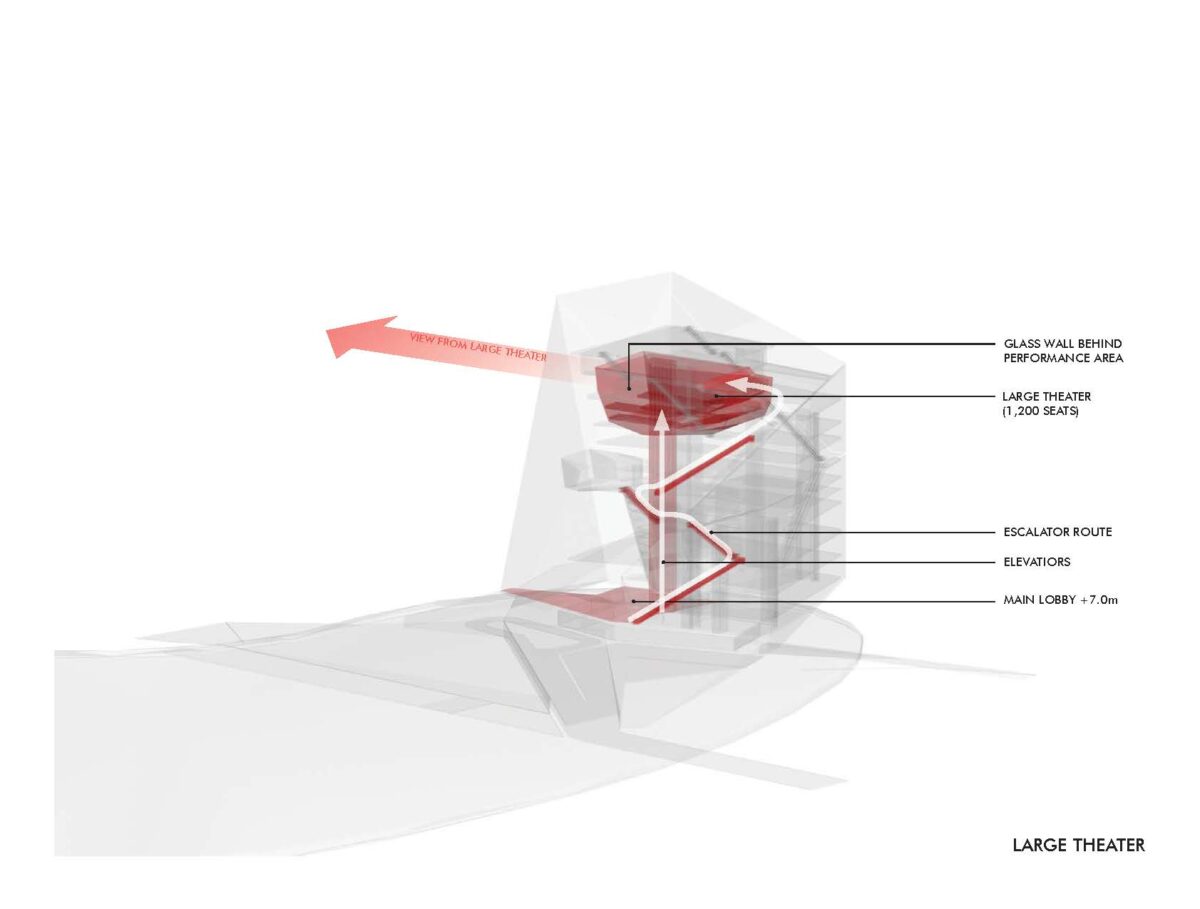
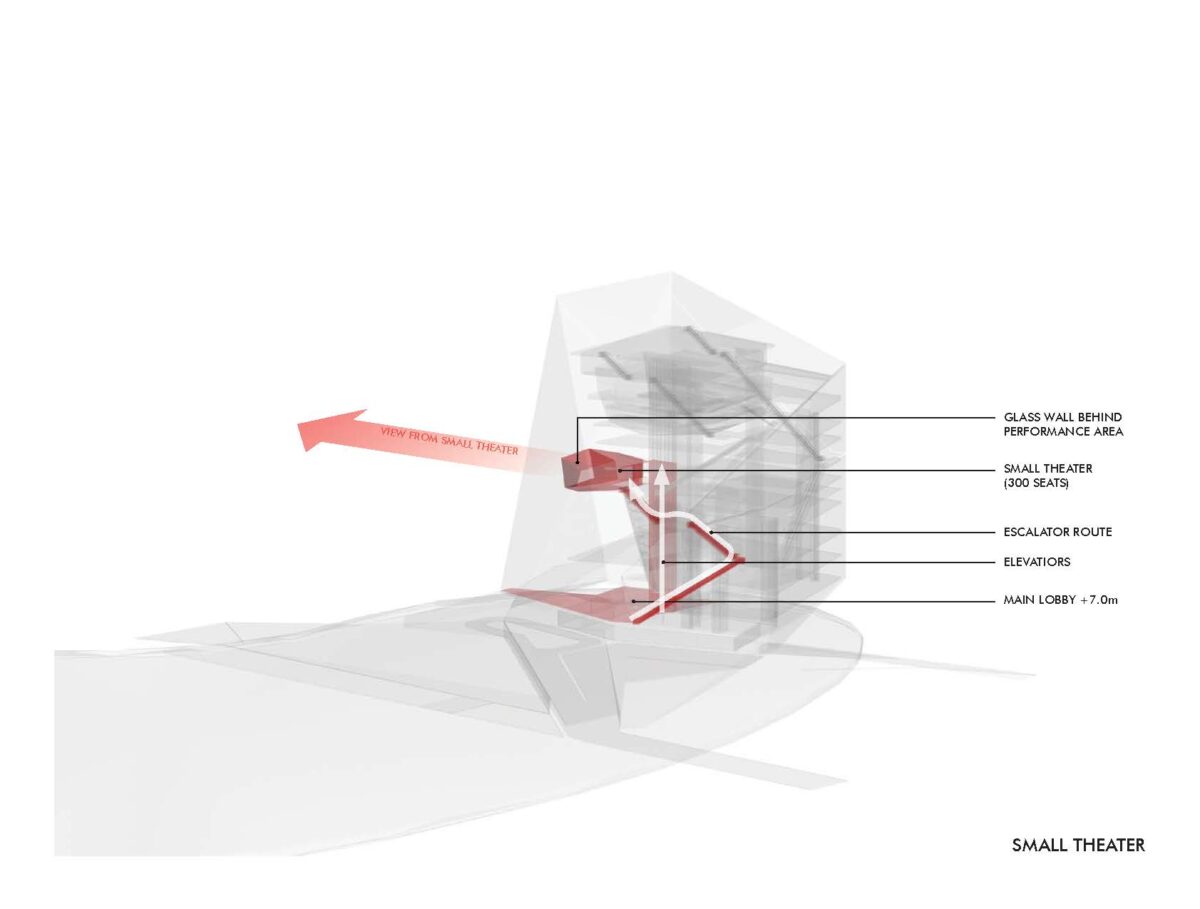
Programmatically, the building spans approximately 48,000 square meters and includes a grand 1,800-seat auditorium, a smaller 300-seat theater, rehearsal spaces, and extensive public areas. The main hall is designed as a “musical instrument,” with carefully engineered acoustics and cherry wood interiors enhancing sound quality and spatial warmth.
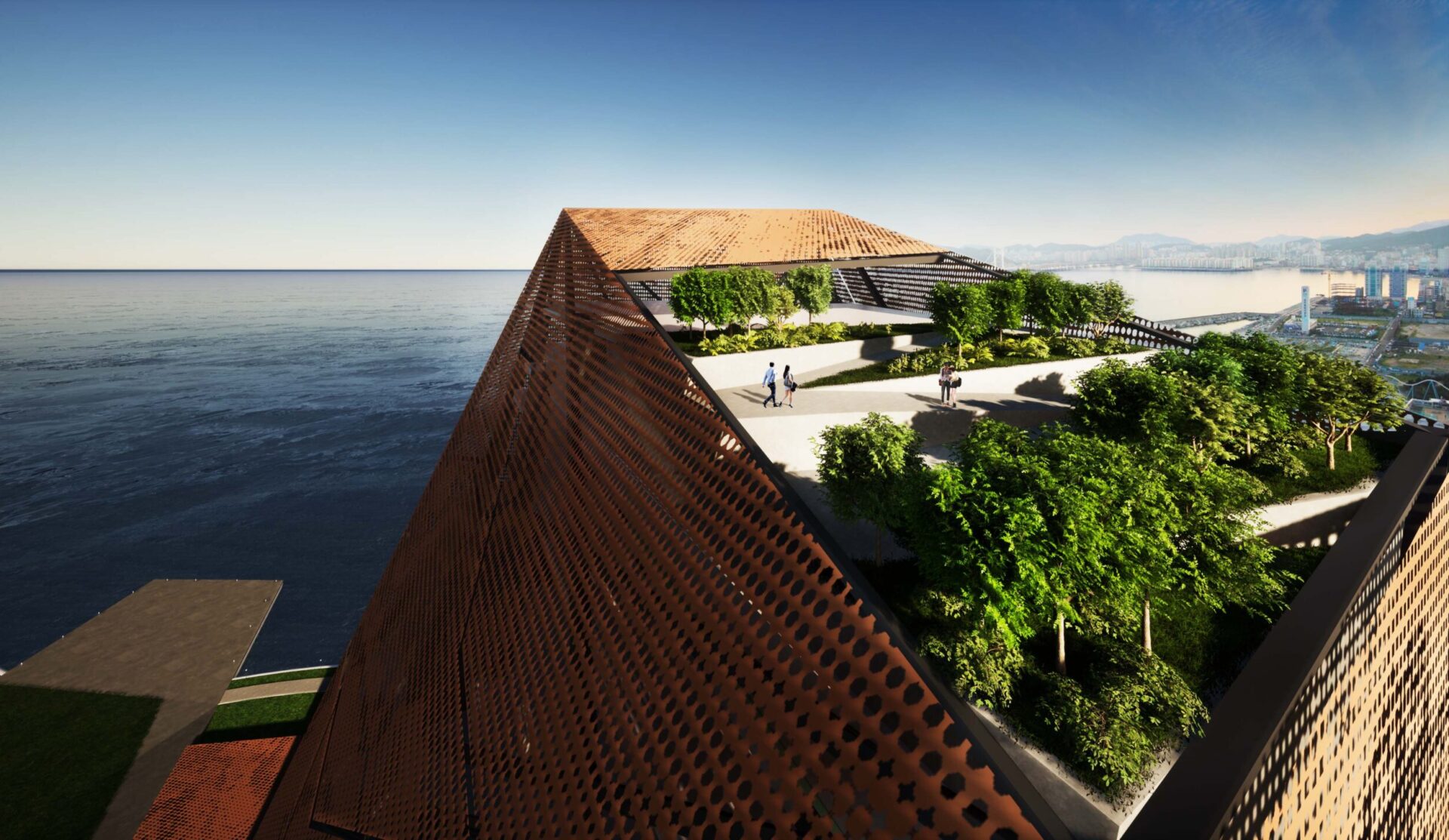
One of the most defining features is the accessible rooftop landscape. Visitors can walk across the building, reclaiming its footprint as public space while enjoying panoramic views of the ocean and surrounding mountains. This gesture reinforces the idea that the opera house is not only a cultural icon but also an extension of the city itself.
Ultimately, the Busan Opera House represents a shift in cultural architecture—transforming performance into an urban experience and integrating public life, landscape, and design into a single continuous form.
Collaboration
Under Construction